الــضــمــان الاجــتــمــاعـي💵

نظام الضمان الاجتماعي الجديد.

الضمان الاجتماعي يشير إلى برامج عمل الحكومة التي تهدف إلى تعزيز رفاهية السكان من خلال اتخاذ تدابير مساعدة تضمن الحصول على ما يكفي من الموارد للغذاء والمأوى ومن أجل تحسين الصحة ورفاهية السكان في قطاعات كبيرة ومحتمل أن تكون ضعيفة مثل الأطفال وكبار السن والمرضى والعاطلين عن العمل. وغالبًا ما تُسمى الخدمات التي تقدم الضمان الاجتماعي بـالخدمات الاجتماعية

نصت المادة 22 من الإعلان العالمي لحقوق الإنسان أن كل شخص، باعتباره عضوًا في المجتمع، له الحق في الضمان الاجتماعي وله الحق في أن يتم توفيره له، من خلال الجهد القومي والتعاون الدولي وبما يتفق مع التنظيم والموارد في كل دولة، من الحقوق الاقتصادية والاجتماعية والثقافية التي لا غنى عنها من أجل كرامته والتنمية الحرة لشخصيته. وبمعنى أبسط، يعني ذلك أن الموقعين يوافقون على أن المجتمع الذي يعيش فيه أحد الأشخاص ينبغي أن يساعده في تنمية شخصيته وتحقيق الاستفادة القصوى من جميع المزايا (الثقافة والعمل والرعاية الاجتماعية) التي تقدم له في البلاد.[1]

تختلف المصطلحات في هذا المجال في الولايات المتحدة إلى حد ما عن بقية دول العالم الناطقة باللغة الإنجليزية. ويُعد المصطلح العام الذي يطلق على أحد برامج العمل لدعم رفاهية السكان في الولايات المتحدة هو برنامج الرعاية ويعد المصطلح العام لجميع هذه البرامج ببساطة مصطلح الرعاية. وفي المجتمع الأمريكي، يمكن القول بأن مصطلح الرعاية له دلالات سلبية. ويشير مصطلح الضمان الاجتماعي في الولايات المتحدة إلى برنامج تأمين اجتماعي محدد للمتقاعدين والمعاقين.

قد يشير مصطلح الضمان الاجتماعي إلى:

  • التأمين الاجتماعي، حيث يحصل الناس على منافع أو خدمات تقديرًا لمساهماتهم في برنامج التأمين. وعادة ما تشمل هذه الخدمات توفير رواتب التقاعد والتأمين ضد العجز واستحقاقات الناجين وتعويضات البطالة.
  • الخدمات التي تقدمها الحكومة أو الهيئات المعينة المسؤولة عن توفير الضمان الاجتماعي. وقد يشمل ذلك، في بلدان مختلفة، الرعاية الطبية والدعم المالي خلال البطالة والمرض أو التقاعد والصحة والسلامة في العمل وجوانب العمل الاجتماعي وحتى العلاقات الصناعية.
  • الأمن الأساسي بغض النظر عن المشاركة في برامج تأمين محددة حيث قد تكون الأهلية مشكلة من ناحية أخرى. وللحصول على مساعدة فورية تُعطى للاجئين الذين وصلوا حديثًا للحصول على الضروريات الأساسية مثل الغذاءوالملابس والمسكن والتعليم والمال والرعاية الطبية.
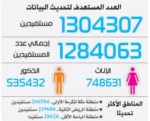
العدد المستهدف لتحديث البيانات📍📖.

الـضــمــان الاجــتـمـاعـي💵

الضمان الاجتماعي يشير إلى برامج عمل الحكومة التي تهدف إلى تعزيز رفاهية السكان من خلال اتخاذ تدابير مساعدة تضمن الحصول على ما يكفي من الموارد للغذاء والمأوى ومن أجل تحسين الصحة ورفاهية السكان في قطاعات كبيرة ومحتمل أن تكون ضعيفة مثل الأطفال وكبار السن والمرضى والعاطلين عن العمل. وغالبًا ما تُسمى الخدمات التي تقدم الضمان الاجتماعي بـالخدمات الاجتماعية

نصت المادة 22 من الإعلان العالمي لحقوق الإنسان أن كل شخص، باعتباره عضوًا في المجتمع، له الحق في الضمان الاجتماعي وله الحق في أن يتم توفيره له، من خلال الجهد القومي والتعاون الدولي وبما يتفق مع التنظيم والموارد في كل دولة، من الحقوق الاقتصادية والاجتماعية والثقافية التي لا غنى عنها من أجل كرامته والتنمية الحرة لشخصيته. وبمعنى أبسط، يعني ذلك أن الموقعين يوافقون على أن المجتمع الذي يعيش فيه أحد الأشخاص ينبغي أن يساعده في تنمية شخصيته وتحقيق الاستفادة القصوى من جميع المزايا (الثقافة والعمل والرعاية الاجتماعية) التي تقدم له في البلاد.[1]

قد يشير مصطلح الضمان الاجتماعي إلى:

  • التأمين الاجتماعي، حيث يحصل الناس على منافع أو خدمات تقديرًا لمساهماتهم في برنامج التأمين. وعادة ما تشمل هذه الخدمات توفير رواتب التقاعد والتأمين ضد العجز واستحقاقات الناجين وتعويضات البطالة.
  • الخدمات التي تقدمها الحكومة أو الهيئات المعينة المسؤولة عن توفير الضمان الاجتماعي. وقد يشمل ذلك، في بلدان مختلفة، الرعاية الطبية والدعم المالي خلال البطالة والمرض أو التقاعد والصحة والسلامة في العمل وجوانب العمل الاجتماعي وحتى العلاقات الصناعية.
  • الأمن الأساسي بغض النظر عن المشاركة في برامج تأمين محددة حيث قد تكون الأهلية مشكلة من ناحية أخرى. وللحصول على مساعدة فورية تُعطى للاجئين الذين وصلوا حديثًا للحصول على الضروريات الأساسية مثل الغذاءوالملابس والمسكن والتعليم والمال والرعاية الطبية.

تختلف المصطلحات في هذا المجال في الولايات المتحدة إلى حد ما عن بقية دول العالم الناطقة باللغة الإنجليزية. ويُعد المصطلح العام الذي يطلق على أحد برامج العمل لدعم رفاهية السكان في الولايات المتحدة هو برنامج الرعاية ويعد المصطلح العام لجميع هذه البرامج ببساطة مصطلح الرعاية. وفي المجتمع الأمريكي، يمكن القول بأن مصطلح الرعاية له دلالات سلبية. ويشير مصطلح الضمان الاجتماعي في الولايات المتحدة إلى برنامج تأمين اجتماعي محدد للمتقاعدين والمعاقين.

Introduce Yourself (Example Post)

This is an example post, originally published as part of Blogging University. Enroll in one of our ten programs, and start your blog right.

You’re going to publish a post today. Don’t worry about how your blog looks. Don’t worry if you haven’t given it a name yet, or you’re feeling overwhelmed. Just click the “New Post” button, and tell us why you’re here.

Why do this?

  • Because it gives new readers context. What are you about? Why should they read your blog?
  • Because it will help you focus your own ideas about your blog and what you’d like to do with it.

The post can be short or long, a personal intro to your life or a bloggy mission statement, a manifesto for the future or a simple outline of your the types of things you hope to publish.

To help you get started, here are a few questions:

  • Why are you blogging publicly, rather than keeping a personal journal?
  • What topics do you think you’ll write about?
  • Who would you love to connect with via your blog?
  • If you blog successfully throughout the next year, what would you hope to have accomplished?

You’re not locked into any of this; one of the wonderful things about blogs is how they constantly evolve as we learn, grow, and interact with one another — but it’s good to know where and why you started, and articulating your goals may just give you a few other post ideas.

Can’t think how to get started? Just write the first thing that pops into your head. Anne Lamott, author of a book on writing we love, says that you need to give yourself permission to write a “crappy first draft”. Anne makes a great point — just start writing, and worry about editing it later.

When you’re ready to publish, give your post three to five tags that describe your blog’s focus — writing, photography, fiction, parenting, food, cars, movies, sports, whatever. These tags will help others who care about your topics find you in the Reader. Make sure one of the tags is “zerotohero,” so other new bloggers can find you, too.

Introduce Yourself (Example Post)

This is an example post, originally published as part of Blogging University. Enroll in one of our ten programs, and start your blog right.

You’re going to publish a post today. Don’t worry about how your blog looks. Don’t worry if you haven’t given it a name yet, or you’re feeling overwhelmed. Just click the “New Post” button, and tell us why you’re here.

Why do this?

  • Because it gives new readers context. What are you about? Why should they read your blog?
  • Because it will help you focus your own ideas about your blog and what you’d like to do with it.

The post can be short or long, a personal intro to your life or a bloggy mission statement, a manifesto for the future or a simple outline of your the types of things you hope to publish.

To help you get started, here are a few questions:

  • Why are you blogging publicly, rather than keeping a personal journal?
  • What topics do you think you’ll write about?
  • Who would you love to connect with via your blog?
  • If you blog successfully throughout the next year, what would you hope to have accomplished?

You’re not locked into any of this; one of the wonderful things about blogs is how they constantly evolve as we learn, grow, and interact with one another — but it’s good to know where and why you started, and articulating your goals may just give you a few other post ideas.

Can’t think how to get started? Just write the first thing that pops into your head. Anne Lamott, author of a book on writing we love, says that you need to give yourself permission to write a “crappy first draft”. Anne makes a great point — just start writing, and worry about editing it later.

When you’re ready to publish, give your post three to five tags that describe your blog’s focus — writing, photography, fiction, parenting, food, cars, movies, sports, whatever. These tags will help others who care about your topics find you in the Reader. Make sure one of the tags is “zerotohero,” so other new bloggers can find you, too.

Introduce Yourself (Example Post)

This is an example post, originally published as part of Blogging University. Enroll in one of our ten programs, and start your blog right.

You’re going to publish a post today. Don’t worry about how your blog looks. Don’t worry if you haven’t given it a name yet, or you’re feeling overwhelmed. Just click the “New Post” button, and tell us why you’re here.

Why do this?

  • Because it gives new readers context. What are you about? Why should they read your blog?
  • Because it will help you focus your own ideas about your blog and what you’d like to do with it.

The post can be short or long, a personal intro to your life or a bloggy mission statement, a manifesto for the future or a simple outline of your the types of things you hope to publish.

To help you get started, here are a few questions:

  • Why are you blogging publicly, rather than keeping a personal journal?
  • What topics do you think you’ll write about?
  • Who would you love to connect with via your blog?
  • If you blog successfully throughout the next year, what would you hope to have accomplished?

You’re not locked into any of this; one of the wonderful things about blogs is how they constantly evolve as we learn, grow, and interact with one another — but it’s good to know where and why you started, and articulating your goals may just give you a few other post ideas.

Can’t think how to get started? Just write the first thing that pops into your head. Anne Lamott, author of a book on writing we love, says that you need to give yourself permission to write a “crappy first draft”. Anne makes a great point — just start writing, and worry about editing it later.

When you’re ready to publish, give your post three to five tags that describe your blog’s focus — writing, photography, fiction, parenting, food, cars, movies, sports, whatever. These tags will help others who care about your topics find you in the Reader. Make sure one of the tags is “zerotohero,” so other new bloggers can find you, too.

تصميم موقع كهذا باستخدام ووردبريس.كوم
ابدأ